
Community Science: Artificial Light at Night
Mid Sound Fisheries, United States Geological Survey, and King Conservation District have launched a community science program to help with nighttime light measurements during the salmon growth period in Lakes Washington and Sammamish, and the Ship Canal.
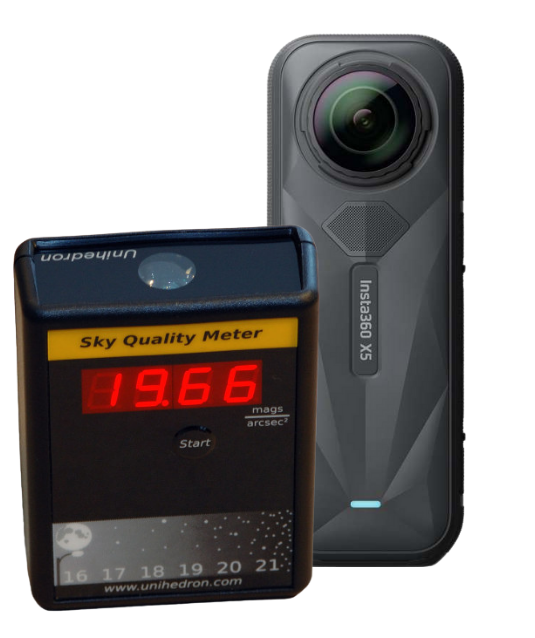
Volunteers record data on the weather condition, light level, and nearby lighting displays to help determine the variability of nocturnal light during this important salmon period. We’re looking forward to sharing results of this program in June 2026.
How is Artificial Light at Night Impacting Fish?
Artificial light at night (ALAN) illuminates the night sky equivalent to two full moons, with clouds increasing the light level by reflecting urban light back down towards the earth. This urban skyglow makes it easier for predators to see and feed upon baby salmon, leading to fewer salmon surviving the lake migration phase. Fewer baby salmon mean fewer adults returning in the fall, affecting the entire food web - including us.
Data Collection
Volunteers will work in teams of 2 - 5 people, measuring light at night 2 - 3 evenings during the three time periods below:
February 4th - 18th
March 5th - 20th
April 3rd - 18th
Volunteer shifts will start 1-hour after sunset and last about 1.5 hours. The total time commitment for the program is around 15 hours, including a required, in-person, training. See below for more details.
Volunteer Trainings
At this time our program is full. Thank you so much for your interest in the ALAN Community Science Program.
Questions? Please send us an email.